
7 High Protein Meals For Muscle Gain: Build Strength That Lasts a Lifetime

If you’ve ever thought building muscle was only about looking toned, aesthetic, or "fit," we want to lovingly call that bluff.
Muscle is not just about how you look in a mirror or what size jeans you wear. Muscle is about how you move, how you age, how resilient your body is under stress, and how well your metabolism functions day in and day out.
One of the most powerful tools we have for building and maintaining muscle are high protein meals for muscle gain.
In this blog, we’re going to break down:
Why muscle mass is one of the most important predictors of long-term health and longevity
Why a high protein diet for muscle gain supports everything from blood sugar balance to injury prevention
The best high protein foods for muscle building (without weird diet rules or extremes)
Simple, tasty, real-life high protein meals for muscle gain you can actually make on a busy schedule
No fads. No fear-mongering. Just science-backed guidance and doable meals that help you get stronger for life.
Why Building Muscle Matters (And Not Just for Aesthetics)
Let’s start with the big picture.
Muscle is often treated like a “nice-to-have” – something extra you pursue if you care about fitness. In reality, muscle is a metabolic organ that plays a critical role in nearly every system in your body.
Muscle Is the Organ of Longevity
Research consistently shows that higher levels of lean muscle mass are associated with:
Lower all-cause mortality
Better physical function as we age
Reduced risk of falls and fractures
Improved independence later in life
Skeletal muscle is responsible for movement, posture, balance, and force production. As we age, natural muscle loss (sarcopenia) accelerates if we are not actively training and fueling for it. Resistance training combined with a high protein diet for muscle gain is the most effective way we know to slow – and even reverse – this process.
Multiple longitudinal studies have found that preserving muscle mass is more predictive of longevity than body weight or BMI alone.
Muscle Protects Your Joints and Prevents Injuries
Strong muscles absorb force.
That means:
Less stress on joints
More stability through hips, knees, shoulders, and spine
Better movement mechanics
Lower risk of overuse and acute injuries
Whether you’re lifting weights, dancing, chasing kids, hiking, or simply living life – muscle gives your body armor.
Muscle Helps Regulate Blood Sugar
One of muscle’s most underrated roles is glucose disposal.
Skeletal muscle is the primary site where glucose is stored and used. More muscle mass means:
Better insulin sensitivity
Improved blood sugar regulation
Lower risk of insulin resistance and type 2 diabetes
A high protein diet for muscle gain, paired with strength training, helps maintain lean mass while supporting stable energy levels and fewer blood sugar crashes.
This is especially important for women, who are often encouraged to under-eat protein and avoid strength training – advice that backfires long-term.
Muscle Supports a Healthy Metabolism
Muscle tissue is metabolically active. While it’s not the calorie-burning monster social media sometimes claims, it does meaningfully contribute to resting energy expenditure.
More importantly, muscle allows you to:
Eat more food while maintaining body composition
Recover better from workouts
Adapt to training stress
In other words: muscle gives you metabolic flexibility.
Why Protein Is Essential for Muscle Growth
Let’s talk protein.
Protein provides amino acids – the raw materials your body uses to repair and build muscle tissue. Without sufficient protein intake, even the best training program will underperform.
Protein and Muscle Protein Synthesis
Muscle growth occurs when muscle protein synthesis exceeds muscle protein breakdown over time.
Research shows that:
Higher daily protein intake supports greater lean mass gains
Evenly distributing protein across meals improves muscle protein synthesis
Resistance training combined with adequate protein has a synergistic effect
Most evidence suggests that active individuals benefit from protein intakes well above the minimum recommended daily allowance (RDA), particularly when muscle gain is the goal.
This is where high protein foods for muscle gain become non-negotiable.
Protein Supports Recovery and Performance
Beyond muscle growth, protein helps:
Speed up recovery between training sessions
Reduce muscle soreness
Support connective tissue and tendon health
Preserve lean mass during fat loss phases
A high protein diet for muscle gain isn’t extreme – it’s foundational.
High Protein Foods for Muscle Building
Before we jump into full meals, let’s look at the building blocks.
Here are some of the most effective high protein foods for muscle building, focusing on nutrient density, bioavailability, and real-world practicality.
Animal-Based Protein Sources
These are complete proteins, meaning they contain all essential amino acids:
Eggs
Chicken breast and thighs
Ground beef and steak
Turkey
Pork tenderloin
Salmon and other fatty fish
Greek yogurt
Cottage cheese
Whey or clear whey protein
Animal proteins are particularly rich in leucine, an amino acid shown to play a key role in triggering muscle protein synthesis.
Plant-Based Protein Sources (Helpful Additions)
While typically lower in leucine and total protein density, these can still contribute:
Lentils
Beans
Tofu and tempeh
Edamame
Quinoa
Chickpeas
Peas
For muscle gain, plant proteins often work best when paired with animal protein or consumed in larger quantities. Think of these as carb sources WITH protein.
Simple High Protein Meals For Muscle Gain
Now the fun part.
These high protein meals for muscle gain are:
Easy to prepare
Minimal-ingredient
Flexible
Delicious
No gourmet chef skills required.
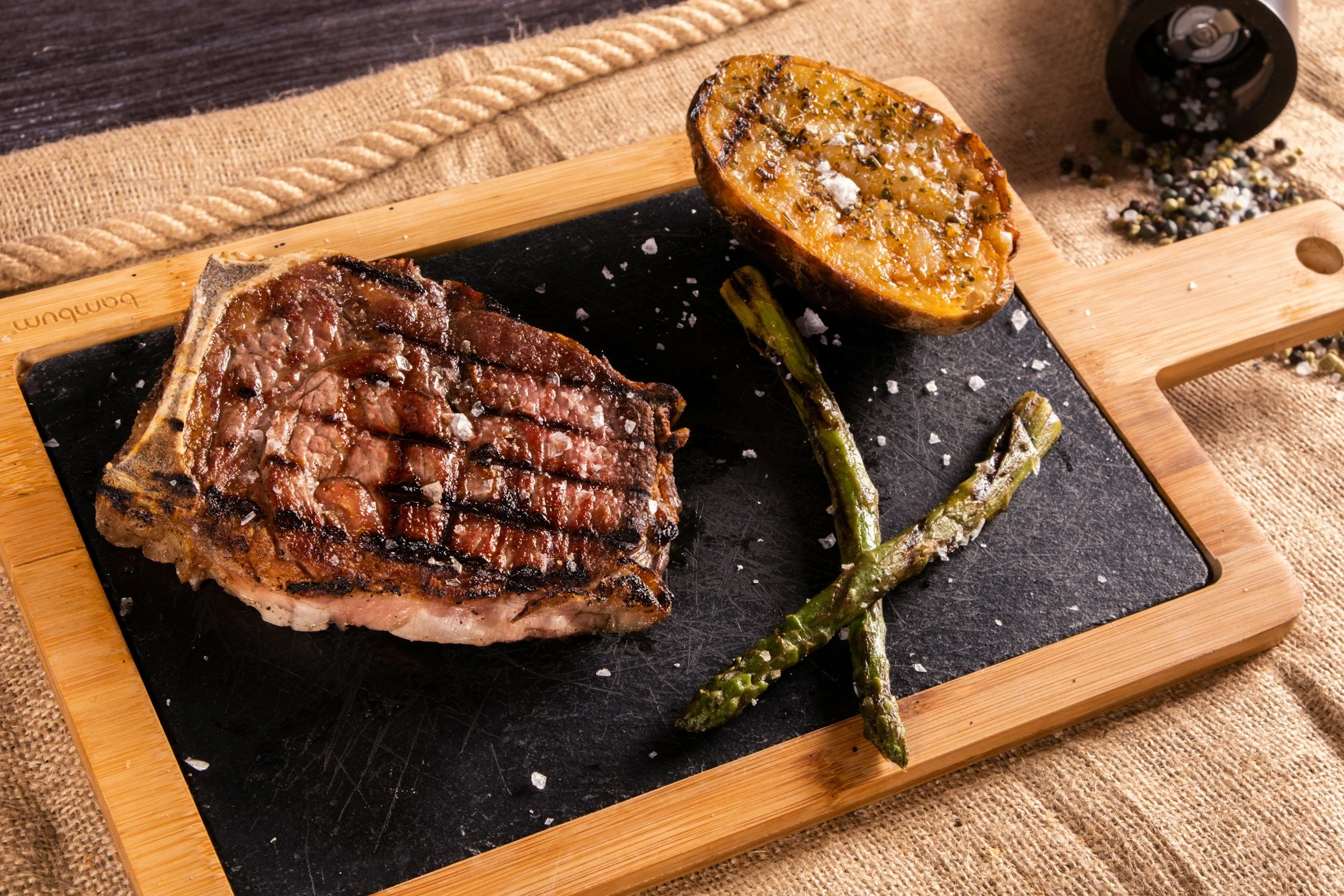
1. Steak, Potatoes, and Roasted Veggies
Why it works:
High-quality complete protein
Iron, zinc, and B vitamins
Carbs to fuel training
How to keep it simple:
Pan-sear or grill steak
Roast potatoes and veggies on one sheet pan
Season with salt, pepper, and olive oil
This is a classic high protein meal for muscle gain that delivers both performance and satisfaction.

2. Ground Beef Protein Bowls
Why it works:
Budget-friendly
Easy to batch cook
Highly customizable
Base:
Ground beef
Rice or potatoes
Veggies
Flavor ideas:
Taco-style with salsa and avocado
Mediterranean with cucumber and yogurt sauce
Simple salt-and-pepper comfort bowl
Ground beef is one of the most underrated high protein foods for muscle building.

3. Eggs and Cottage Cheese Breakfast Bowl
Why it works:
Fast
High protein
Great amino acid profile
How to build it:
Scrambled or fried eggs
Cottage cheese on the side or mixed in
Fruit or toast if desired
This meal alone can provide a huge chunk of your daily protein needs.
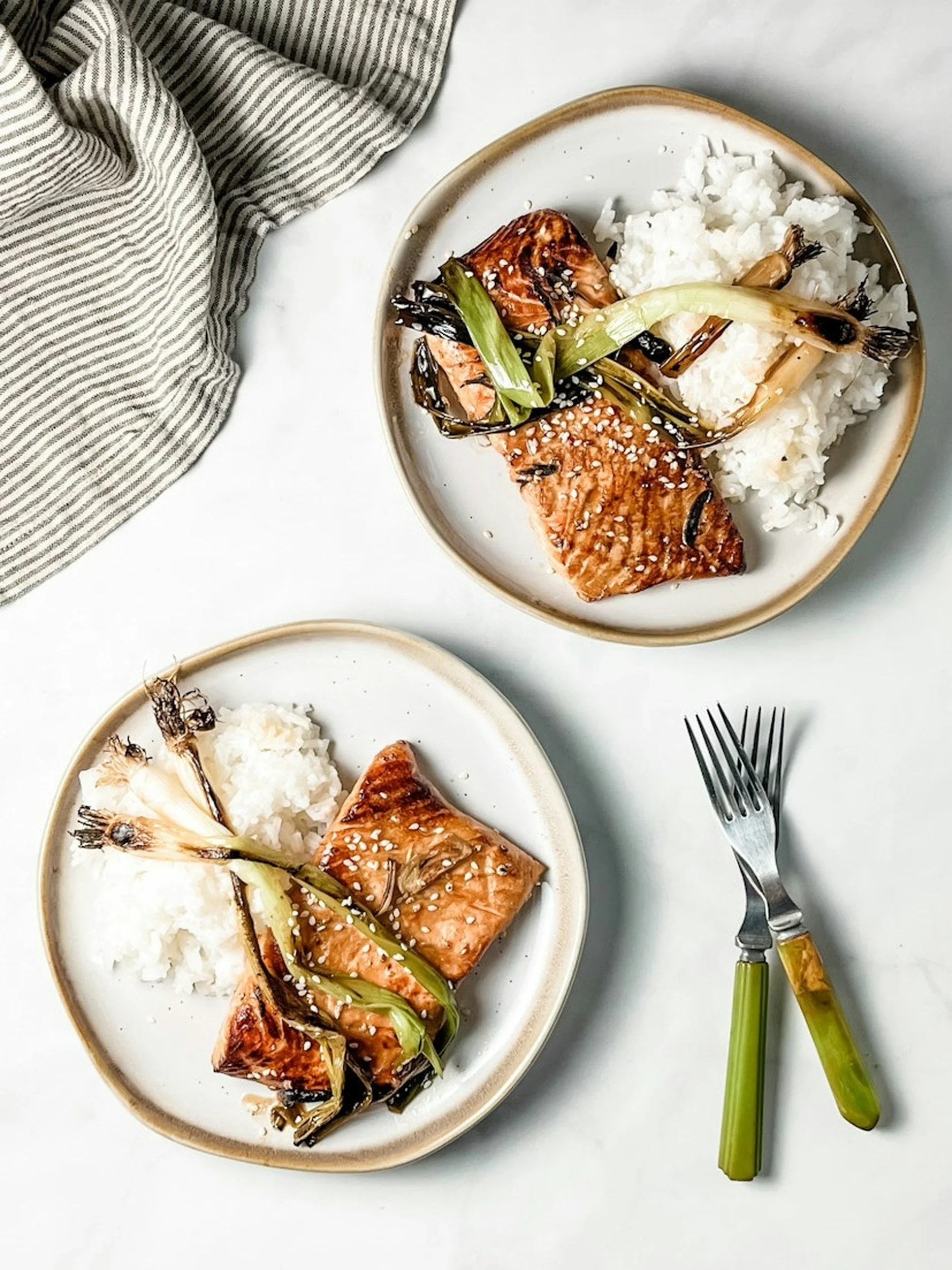
4. Salmon with Rice and Greens
Why it works:
High protein
Omega-3 fats that support muscle recovery
Anti-inflammatory benefits
Salmon-based meals are an excellent addition to a high protein diet for muscle gain, especially for joint and connective tissue health.

5. Greek Yogurt Protein Parfait
Why it works:
No cooking required
Easy to digest
Great post-workout option
Build it with:
Plain Greek yogurt
Berries
Honey or maple syrup
Optional protein powder
This is a sneaky but effective high protein meal for muscle gain.

6. Chicken Thigh Sheet Pan Meals
Why it works:
Flavorful
Juicy
More forgiving than chicken breast
Throw everything on a pan, bake, and you’re done. Simple meals done consistently beat complicated meals done rarely.

7. Protein Smoothies That Actually Help Muscle Gain
Smoothies get a bad reputation – but when built correctly, they’re powerful.
Include:
Whey protein
Milk or Greek yogurt
Fruit
Optional nut butter
This can be an easy way to increase intake of high protein foods for muscle gain without extra meal prep.
Consistency Beats Perfection
You don’t need to eat perfectly.
You need to eat consistently.
Building muscle happens over months and years, not weeks. A sustainable high protein diet for muscle gain should:
Fit your lifestyle
Feel satisfying
Be flexible
Support training
Simple, repeatable high protein meals for muscle gain are the secret.
Final Thoughts: Build Muscle, Build a Better Future
Muscle is strength.
Muscle is resilience.
Muscle is longevity.
Fueling your body with high protein meals for muscle gain isn’t about extremes – it’s about giving your body what it needs to thrive now and decades from now.
If you want help making this easier, we’ve got you.
👉 Download our free high-protein grocery list and take the guesswork out of shopping, meal prep, and fueling for strength.
Your future self will thank you.
References
Wolfe, R. R. (2006). The underappreciated role of muscle in health and disease. American Journal of Clinical Nutrition, 84(3), 475–482.
Mitchell, W. K., Williams, J., Atherton, P., Larvin, M., Lund, J., & Narici, M. (2012). Sarcopenia, dynapenia, and the impact of advancing age on human skeletal muscle size and strength. Journal of Cachexia, Sarcopenia and Muscle, 3(4), 321–333.
Srikanthan, P., & Karlamangla, A. S. (2014). Muscle mass index as a predictor of longevity in older adults. American Journal of Medicine, 127(6), 547–553.
Phillips, S. M., & Van Loon, L. J. C. (2011). Dietary protein for athletes: from requirements to metabolic advantage. Applied Physiology, Nutrition, and Metabolism, 36(5), 647–654.
Morton, R. W., Murphy, K. T., McKellar, S. R., et al. (2018). A systematic review, meta-analysis and meta-regression of the effect of protein supplementation on resistance training–induced gains in muscle mass and strength. British Journal of Sports Medicine, 52(6), 376–384.
DeFronzo, R. A., & Tripathy, D. (2009). Skeletal muscle insulin resistance is the primary defect in type 2 diabetes. Diabetes Care, 32(Suppl 2), S157–S163.
Churchward-Venne, T. A., Breen, L., Di Donato, D. M., et al. (2012). Leucine supplementation of a low-protein mixed macronutrient beverage enhances myofibrillar protein synthesis in young men. American Journal of Clinical Nutrition, 96(2), 276–286.
Cruz-Jentoft, A. J., Bahat, G., Bauer, J., et al. (2019). Sarcopenia: revised European consensus on definition and diagnosis. Age and Ageing, 48(1), 16–31.