
Creatine Myths Vs. Facts: What The Research Actually Says
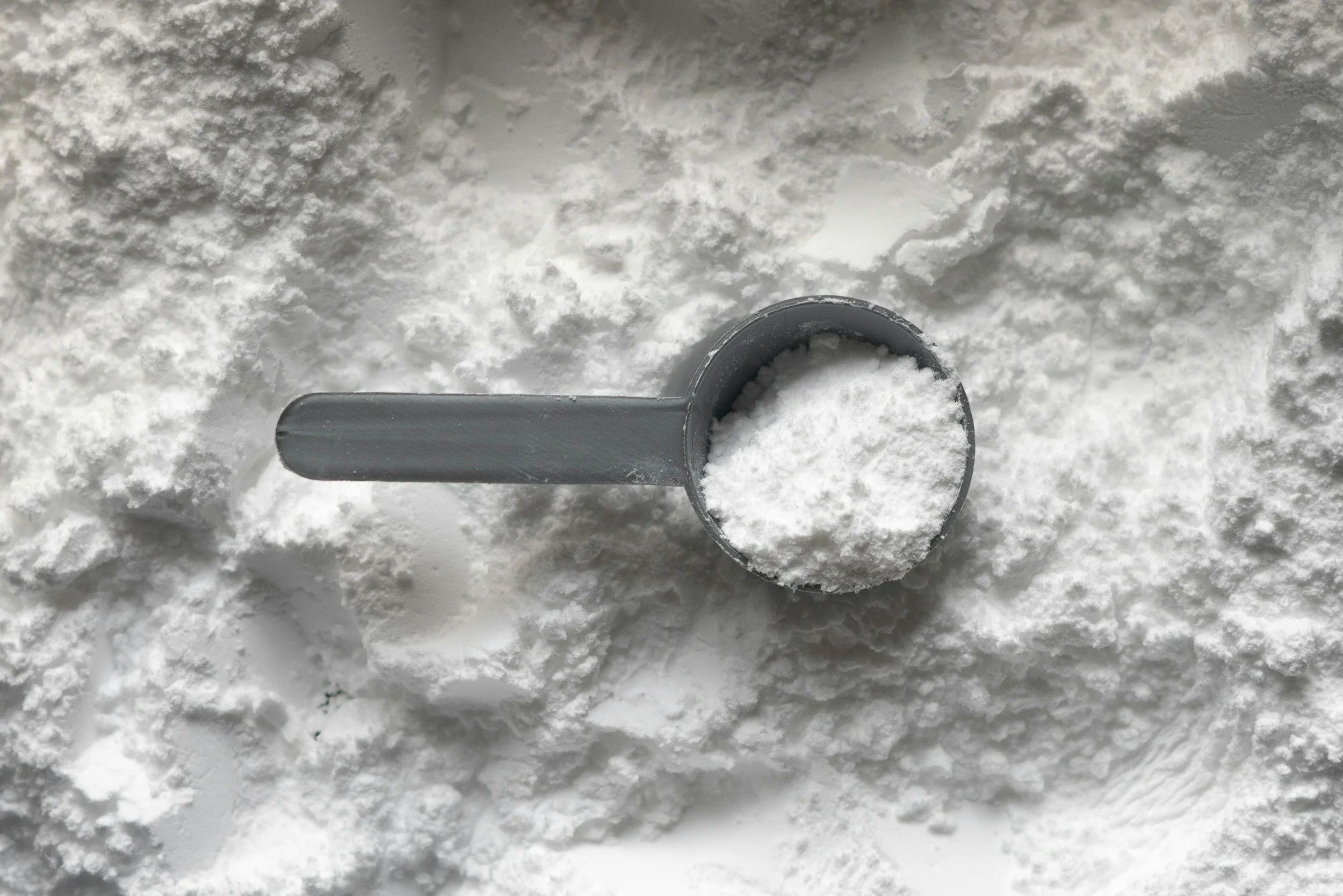
When most people hear “creatine,” they picture massive guys in stringer tanks chasing a pump.
That’s not what this is.
Creatine is one of the most researched, most effective, and most misunderstood performance tools available – and if you’re training with any level of intention, it’s worth paying attention to.
Whether your goal is to get stronger, build muscle, improve recovery, or simply get more out of the time you already spend in the gym… creatine can help.
Let’s break it down in a way that actually makes sense.
First Things First: What Is Creatine?
Creatine is a naturally occurring compound found in your muscles and brain.
Your body produces some on its own, and you get small amounts from foods like red meat and fish. But supplementation is what allows you to fully saturate your muscle stores and experience its performance benefits.
Here’s what matters:
Creatine is stored in your muscles as phosphocreatine, which helps your body rapidly produce ATP (adenosine triphosphate).
ATP is your body’s primary energy currency – especially for short, high-intensity efforts like:
– Lifting weights
– Sprinting
– Explosive movements
– Repeated bouts of effort
In other words, the kind of training that actually strength, muscle, and performance.
Why Creatine Works (And Why You’ll Notice It)
1. More Strength and Power
Creatine gives your muscles more readily available energy during high-effort work.
That means:
– More reps
– Better output
– Heavier lifts over time
And that’s what drives progress.
Research published in the Journal of Strength and Conditioning Research shows that creatine supplementation significantly improves strength and power in resistance-trained individuals. [1]
2. Faster Recovery
Training breaks your body down. Progress happens when you recover.
Creatine helps reduce:
– Muscle cell damage
– Inflammation
– Recovery time between sessions
So instead of feeling wrecked going into your next workout, you’re ready to perform.
Meta-analyses have shown reduced markers of muscle damage and improved recovery with creatine supplementation. [2]
3. Higher Training Volume
This is where things really start to compound.
Creatine helps delay fatigue, allowing you to:
– Do more total work
– Maintain better quality reps
– Stay consistent over time
And that consistency is what builds real results.
4. Lean Muscle Growth (Without the “Bloat” Myth)
Creatine supports muscle growth when paired with resistance training.
It does not make you gain fat.
It may increase water inside your muscle cells (intracellular water), which actually makes your muscles look fuller and stronger – not bloated.
Studies show creatine can support increases in lean mass and even reductions in fat mass when combined with proper training. [3][4]
5. Cognitive Benefits
Creatine isn’t just for your muscles.
It also supports brain energy metabolism, which can help with:
– Focus
– Mental clarity
– Cognitive performance
Especially useful if you’re balancing training with work, family, and everything else life throws at you.
Early research suggests creatine may support brain health due to its role in cellular energy production. [8]
6. Immune Support Under Stress
Hard training is a stressor.
Creatine may help your body handle that stress more effectively by supporting immune cell function and reducing exercise-induced inflammation.
Research shows that creatine can improve the efficiency of immune cells during periods of physical stress. [5]
Let’s Clear Up the Biggest Myths
“Creatine is bad for your kidneys.”
Not in healthy individuals.
Long-term research consistently shows that creatine does not negatively impact kidney function in people without pre-existing conditions. [6]
“Creatine causes hair loss.”
This came from a single small study that showed an increase in a hormone linked to hair loss – not actual hair loss.
There’s no solid evidence showing creatine causes thinning or baldness. [7]
“Creatine makes you bloated.”
Creatine pulls water into your muscle cells – not under your skin.
Which means, it makes you look firmer.
The “bloat” people sometimes experience usually comes from taking too much too quickly or not staying hydrated.
“You need a loading phase.”
You don’t.
Loading speeds up saturation, but you’ll get the same results by taking it consistently over time.
“Creatine is basically a steroid.”
It’s not.
Creatine is a naturally occurring compound found in food, not a hormone-altering substance. It’s legal, safe, and widely studied.
How to Take Creatine (Simple and Effective)
What type should you use?
Creatine monohydrate.
It’s the most researched, most effective, and most affordable option.
Everything else is either unnecessary or under-researched.
How much should you take?
3-5 grams per day works well for most people.
Although research shows more neuorprotective benefits happen at 10g-15g
If you want to ease into it:
– Start with 1-2 grams
– Gradually increase
This can help avoid any mild stomach discomfort.
When should you take it?
Anytime.
Consistency matters far more than timing.
Do you need to cycle off?
No.
Creatine can be taken year-round without issue.
Types of Creatine
Here’s the lowdown on the most common types of creatine, so you don’t waste your time or cash.
1. Creatine Monohydrate
– The gold standard. It’s the most studied, most effective, and most affordable form.
– It’s been proven time and again to improve strength, performance, and recovery.
Best for: Everyone – this is the one you want.
2. Creatine HCL (Hydrochloride)
– Claimed to be more soluble and easier on the stomach, but lacks long-term research.
– More expensive than monohydrate without significantly better results.
Verdict: Totally fine, but not necessary.
3. Buffered Creatine (Kre-Alkalyn)
– Marketed as “pH balanced” to reduce bloating.
– No solid evidence that it works better than monohydrate.
Verdict: Totally fine to supplement with, but mostly hype.
4. Creatine Nitrate / Ethyl Ester / Liquid Creatine
– Flashy names but limited studies. Some forms even show worse absorption.
Verdict: Skip it.
Bottom line? Stick with Creatine Monohydrate – it’s effective, safe, and budget-friendly as long as you purchase from a reputable brand.
We recommend Nutrabio’s creatine monohydrate for quality and value to all our clients.
Forms of Creatine: What’s Worth It?
Powder
– Most cost-effective
– Easy to mix
– Flexible dosing
Best overall option.
Capsules
– Convenient
– Travel-friendly
Downside: you’ll need multiple capsules to hit a full dose.
Gummies
– Easy to take
– Often underdosed
– Typically more expensive
Not worth it due to notorious underdosing.
Final Take
If you train with intention – even just a few hours a week – creatine is one of the simplest ways to:
– Get stronger
– Recover faster
– Build muscle more efficiently
– Improve performance over time
No extremes. No complicated protocols.
Just a consistent, proven tool that helps you get more out of what you’re already doing.
Where This Fits Into the Bigger Picture
If you’re serious about getting stronger, building muscle, and actually seeing your training pay off – supplements like creatine can absolutely help.
But they’re not the foundation.
The real progress comes from having a structured plan, clear direction, and the right kind of accountability behind it.
Because without that, even the best tools don’t get used the way they should.
That’s exactly what we build inside the Lock & Key Collective.
A system that brings your training, nutrition, and consistency together – so your effort actually turns into results.
If you want to train with more intention, fuel your body properly, and finally see your hard work pay off, you can learn more below.